(732) 345-1377 info@monmouthpain.com
Expert Occupational Therapy for Upper Extremity Pain at Monmouth Pain and Rehabilitation

Expert Occupational Therapy for Upper Extremity Pain at Monmouth Pain and Rehabilitation
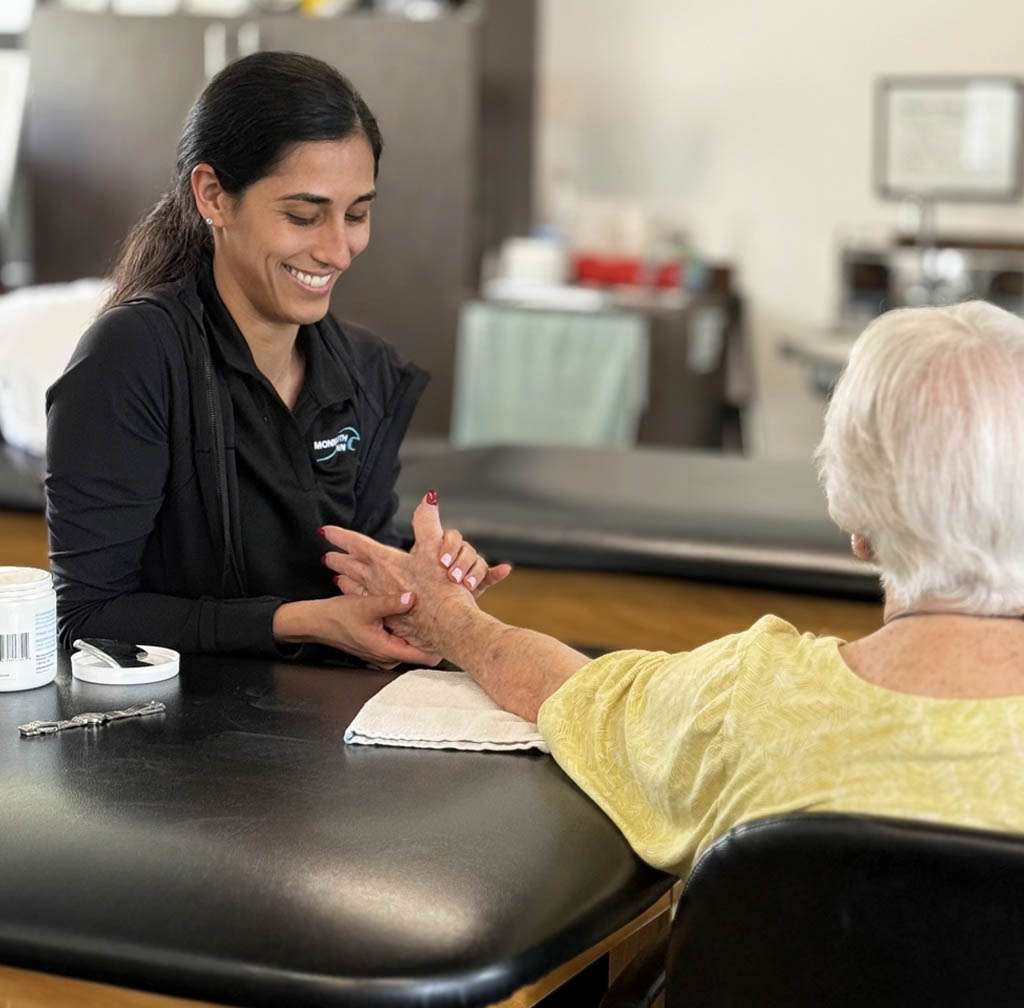
Monmouth Pain & Scoliosis Center - Occupational Therapy in Wall Township, New Jersey
In today's fast-paced world, upper extremity issues—ranging from shoulder pain to wrist strain—can significantly impact daily life, work productivity, and overall well-being. At Monmouth Pain and Rehabilitation, we specialize in providing comprehensive care for musculoskeletal conditions affecting the shoulder, elbow, wrist, and hand. Our dedicated occupational therapist leads the charge in this area, offering personalized, hands-on treatments that blend traditional techniques with cutting-edge modalities like laser therapy and vibration therapy. If you're searching for "upper extremity pain relief in Monmouth" or "occupational therapy for shoulder injuries," you've come to the right place. In this blog, we'll explore common upper extremity conditions, our specialist's unique approach, and how our multidisciplinary team collaborates to deliver the best outcomes for patients.
 

Understanding Upper Extremity Musculoskeletal Conditions

 
The upper extremity encompasses the shoulder, elbow, wrist, and hand, which are crucial for performing everyday tasks like lifting, typing, gripping, and reaching. Musculoskeletal conditions in these areas often stem from repetitive strain, injuries, overuse, or underlying health issues such as arthritis or nerve compression. According to health experts, millions of Americans suffer from upper extremity pain annually, leading to reduced mobility and quality of life.
 
Starting with the shoulder, one of the most mobile joints in the body, common problems include rotator cuff tears, impingement syndrome, and frozen shoulder (adhesive capsulitis). These conditions can cause sharp pain, stiffness, and limited range of motion, making simple actions like overhead reaching excruciating. For those dealing with "shoulder pain treatment in New Jersey," early intervention is key to preventing chronic issues.
 
Moving down to the elbow, conditions like lateral epicondylitis (commonly known as tennis elbow) and medial epicondylitis (golfer's elbow) are prevalent among athletes, office workers, and manual laborers. These involve inflammation of the tendons attaching to the elbow, resulting in pain that radiates down the forearm. If you're experiencing "elbow injury rehabilitation Monmouth," it's essential to address not just the symptoms but the root causes, such as poor ergonomics or biomechanical imbalances.
 
The wrist is another vulnerable area, prone to conditions like carpal tunnel syndrome, De Quervain's tenosynovitis, and sprains. Carpal tunnel, in particular, affects the median nerve, leading to numbness, tingling, and weakness in the hand. This is especially common in professions requiring repetitive wrist motions, like typing or assembly work. Searching for "wrist pain therapy near me"? Our clinic offers targeted solutions to restore function and alleviate discomfort.
 
Finally, the hand deals with a variety of issues, including osteoarthritis, trigger finger, and Dupuytren's contracture. These can impair fine motor skills, making tasks like buttoning a shirt or holding a pen challenging. Hand therapy is vital for maintaining independence, and at Monmouth Pain and Rehabilitation, we focus on "hand injury treatment Monmouth" to help patients regain strength and dexterity.
 
Ignoring these upper extremity conditions can lead to compensatory injuries elsewhere in the body, such as the neck or back. That's why seeking professional care from an experienced occupational therapist is crucial for long-term recovery.
 

Meet Our Specialist: A Hands-On Occupational Therapist for Upper Extremity Care

 
At the heart of our upper extremity program is our highly skilled occupational therapist, a true expert in treating shoulder, elbow, wrist, and hand conditions. With years of specialized training and a passion for patient-centered care, she brings a hands-on approach that emphasizes manual therapy techniques to restore mobility and reduce pain. Unlike more passive treatments, her methods involve direct interaction, such as joint mobilizations, soft tissue massage, and therapeutic exercises tailored to each patient's needs.
 
What sets her apart is her commitment to being "very hands-on." This means she doesn't just prescribe exercises—she actively guides patients through them, ensuring proper form to maximize effectiveness and minimize risk of re-injury. For instance, in treating shoulder impingement, she might use myofascial release to loosen tight muscles, followed by strengthening exercises for the rotator cuff. Patients often rave about how her tactile feedback helps them understand their body's mechanics better, leading to faster progress.
 
But her expertise goes beyond traditional hands-on therapy. She integrates cutting-edge techniques and modalities to enhance outcomes. One standout is laser therapy, a non-invasive treatment that uses low-level laser light to penetrate tissues, reduce inflammation, and promote cellular healing. For upper extremity conditions like elbow tendonitis or wrist sprains, laser therapy accelerates recovery by improving blood flow and reducing pain without the need for medications or surgery. It's particularly effective for chronic issues, where it can break the cycle of inflammation and scar tissue formation.
 
Another innovative modality she employs is vibration therapy, which involves using specialized devices to deliver controlled vibrations to affected areas. This technique helps improve circulation, relax muscles, and enhance proprioception—the body's sense of position and movement. For hand and wrist conditions, vibration therapy can alleviate stiffness in arthritis patients, while for shoulder rehabilitation, it aids in breaking up adhesions and improving joint mobility. Combined with her hands-on methods, these modalities provide a holistic approach that's both evidence-based and patient-friendly.
Our occupational therapist's philosophy is rooted in empowering patients. She educates them on ergonomics, home exercises, and lifestyle modifications to prevent recurrence. Whether you're an athlete recovering from a shoulder dislocation or an office worker with carpal tunnel, her personalized plans ensure you're not just treated but equipped for sustained health.
shoulder

Cutting-Edge Techniques in Upper Extremity Rehabilitation

 
In the realm of "occupational therapy for upper extremity injuries," innovation is key to achieving superior results. At Monmouth Pain and Rehabilitation, our specialist utilizes a blend of time-tested and advanced modalities to address musculoskeletal conditions effectively.
 
Laser therapy, as mentioned, is a game-changer. This FDA-approved technology targets deep tissues without heat or discomfort, making it ideal for sensitive areas like the wrist and hand. Studies show it can reduce pain by up to 50% in conditions like rotator cuff tendinopathy, allowing patients to return to activities sooner. Our therapist applies it in sessions lasting 10-15 minutes, often combining it with manual therapy for synergistic effects.
 
Vibration therapy complements this by stimulating mechanoreceptors in the skin and muscles, which can override pain signals and promote relaxation. Devices like whole-body vibration platforms or handheld tools are used strategically—for example, to desensitize hypersensitive nerves in elbow epicondylitis or to improve grip strength in hand therapy. Patients report feeling immediate relief, with long-term benefits including better muscle activation and reduced fatigue.
 
These techniques are not standalone; they're integrated into comprehensive treatment plans. For a patient with frozen shoulder, the session might start with hands-on mobilization to increase range of motion, followed by laser therapy to reduce inflammation, and end with vibration-assisted exercises to reinforce gains. This multi-modal approach ensures that every aspect of the condition—pain, stiffness, weakness—is addressed.
 
Moreover, our therapist stays abreast of the latest research in occupational therapy, attending conferences and incorporating evidence-based practices. This dedication to cutting-edge care means patients receive treatments that are not only effective but also safe and efficient.
 

A Collaborative Multidisciplinary Approach for Optimal Patient Outcomes

 
At Monmouth Pain and Rehabilitation, we believe that the best results come from teamwork. Our occupational therapist works within a collaborative multidisciplinary framework, partnering with chiropractors, physical therapists, pain management specialists, and physicians to provide holistic care for upper extremity conditions.
This approach ensures that patients benefit from diverse expertise. For example, if a shoulder issue stems from spinal misalignment, our chiropractor might perform adjustments to address the root cause, while the occupational therapist focuses on functional rehabilitation. In cases of elbow pain with neurological components, we coordinate with neurologists for diagnostic insights, then tailor therapy accordingly.
The multidisciplinary model is patient-centric, always prioritizing the best outcomes. Regular team meetings allow for shared progress updates, ensuring seamless care transitions. For wrist and hand conditions like carpal tunnel, this might involve pre-surgical therapy to strengthen muscles, followed by post-op rehabilitation coordinated with surgeons.
 
Patients appreciate this integrated care, as it reduces the need for multiple appointments elsewhere. Testimonials highlight how this collaboration led to quicker recoveries—such as a construction worker regaining full shoulder function after a rotator cuff injury through combined chiropractic adjustments, occupational therapy, and laser sessions.
 
Our goal is always the same: to get patients back to pain-free living. By combining our occupational therapist's hands-on expertise with cutting-edge modalities and team input, we achieve outcomes that surpass traditional methods.
 

Why Choose Monmouth Pain and Rehabilitation for Upper Extremity Care?

 
Choosing the right provider for "upper extremity musculoskeletal treatment New Jersey" can make all the difference. At our clinic, you're not just a patient—you're part of a supportive community focused on your success. Our occupational therapist's blend of hands-on care, laser therapy, and vibration therapy, delivered in a multidisciplinary setting, sets us apart.
 
We serve a wide range of patients, from athletes to seniors, customizing plans to fit lifestyles. Success stories abound: A tennis player overcame chronic elbow pain through targeted vibration therapy, while an artist with hand arthritis regained dexterity via laser-assisted exercises.
 
In addition to treatment, we emphasize prevention. Ergonomic assessments, custom splints, and education on proper body mechanics help patients avoid future issues.
 

Conclusion: Take the First Step Toward Relief

 
If upper extremity pain is holding you back, don't wait. Contact Monmouth Pain and Rehabilitation today for a consultation with our expert occupational therapist. Specializing in shoulder, elbow, wrist, and hand conditions, she offers hands-on, innovative care in a collaborative environment designed for your best outcomes. Search no more for "occupational therapy near me"—we're here to help you reclaim your mobility and independence.

Yours in Health,

Dr. D’Andrea
Monmouth Pain and Scoliosis Center

Call Us Today to set up an appointment!

732-345-1377

The Power of Collaborative Care at Monmouth Pain and Rehabilitation: Transforming Shoulder Pain Management for Active Lives

The Power of Collaborative Care at Monmouth Pain and Rehabilitation: Transforming Shoulder Pain Management for Active Lives

shoulder pain
In today's fast-paced world, where staying active is key to maintaining health and vitality, shoulder pain can be a significant roadblock. Whether you're a weekend warrior hitting the tennis courts, a dedicated gym enthusiast, or simply someone who relies on your shoulders for daily tasks like lifting groceries or playing with grandkids, discomfort in this complex joint can disrupt your routine and diminish your quality of life. At Monmouth Pain and Rehabilitation, we understand these challenges intimately. Our multi-specialty clinic brings together a team of experts—including chiropractors, physical therapists, occupational therapists, and acupuncturists—to provide comprehensive, collaborative care tailored to your needs. This integrated approach not only addresses symptoms but targets root causes, promoting long-term recovery and wellness.
 
In this blog, we'll delve into the profound benefits of collaborative care in a multi-specialty setting. We'll explore common types of shoulder pain, how it can stem from functional issues, arthritis, or repetitive injuries—particularly those from athletic activities. We'll also highlight our advanced modalities, such as low-level laser therapy, and explain why our focus on active people of all ages sets us apart. By the end, you'll see why Monmouth Pain and Rehabilitation is your partner in reclaiming pain-free movement.
 

The Benefits of Collaborative Care: A Symphony of Expertise

 
Imagine a orchestra where each musician plays a vital role, harmonizing to create a masterpiece. That's the essence of collaborative care at Monmouth Pain and Rehabilitation. In a multi-specialty setting, our chiropractors, physical therapists, occupational therapists, and acupuncturists don't work in silos—they collaborate seamlessly to craft personalized treatment plans. This teamwork ensures that every aspect of your condition is addressed, from structural alignment to functional mobility, pain relief, and holistic healing.
 
Chiropractors form the backbone of our approach, focusing on spinal and joint adjustments to restore proper alignment and nerve function. Misalignments in the neck or upper back, for instance, can radiate pain to the shoulders, and our chiropractors excel at correcting these issues non-invasively. Physical therapists complement this by designing exercise regimens that strengthen muscles, improve range of motion, and prevent re-injury. They use evidence-based techniques to rebuild stability, ensuring you can return to your activities stronger than before.
 
Occupational therapists bring a practical lens, helping you adapt daily tasks to reduce strain on your shoulders. Whether it's ergonomic advice for your workspace or strategies for household chores, they empower you to maintain independence and productivity. Acupuncturists add a layer of ancient wisdom fused with modern science, using precise needle placements to stimulate energy flow, reduce inflammation, and alleviate pain. This modality is particularly effective for chronic conditions, promoting natural healing without pharmaceuticals.
 
The true magic lies in collaboration. During initial assessments, our team convenes to discuss findings, sharing insights from their respective fields. For example, if a chiropractor identifies a subluxation contributing to shoulder impingement, the physical therapist might incorporate targeted stretches, while the acupuncturist addresses underlying inflammation. This holistic strategy accelerates recovery, minimizes side effects, and reduces the need for invasive procedures like surgery. Patients often report faster pain relief, improved function, and higher satisfaction rates compared to single-specialty treatments.
 
Research supports this model: Integrated care leads to better outcomes in musculoskeletal disorders, with studies showing reduced healthcare costs and fewer recurrent issues. At Monmouth Pain and Rehabilitation, we've seen this firsthand—patients who once struggled with persistent shoulder pain now enjoy active lifestyles, from golfing to gardening. Our approach isn't just about treating pain; it's about enhancing your overall well-being, ensuring you stay active and engaged at any age.
 

Unpacking Shoulder Pain: Types, Causes, and Connections

Shoulder pain is one of the most common complaints we encounter, affecting millions annually. The shoulder is a ball-and-socket joint with incredible mobility, but this comes at the cost of stability, making it prone to injury. Understanding the different types of shoulder pain is crucial for effective management.
 
Broadly, shoulder problems fall into several categories. Tendon inflammation, such as bursitis or tendinitis, often presents as a dull ache that worsens with overhead activities. This can stem from overuse, where repetitive motions irritate the bursae (fluid-filled sacs) or tendons. Instability, like shoulder dislocations or subluxations, causes sharp pain and a feeling of looseness, commonly seen in younger athletes from traumatic events. Arthritis, particularly osteoarthritis, leads to chronic stiffness and grinding sensations as cartilage wears down. Fractures, though less common, result in severe, acute pain from trauma.
 
Pain can also be classified by sensation: Aching pain might indicate rotator cuff issues, while sharp pain could signal impingement syndrome, where tendons get pinched during movement. Shooting or radiating pain often points to nerve involvement, such as from a pinched nerve in the neck, and warm or burning sensations may suggest inflammation or referred pain from conditions like heart issues—though we always rule out non-musculoskeletal causes. 
 
Functionally, shoulder pain is often interconnected. For instance, poor posture from desk work can lead to muscular imbalances, straining the rotator cuff and causing compensatory pain. Arthritis exacerbates this: As joint surfaces degrade, inflammation builds, limiting motion and weakening surrounding muscles, creating a vicious cycle. Symptoms include stiffness, soreness, and reduced strength, worsening with activity. Repetitive strain injuries (RSI) are another culprit, where constant motions—like typing or assembly line work—damage muscles, tendons, or nerves, leading to persistent pain. 
 
Athletic injuries amplify these risks. Sports involving overhead motions, such as swimming, tennis, or pitching, frequently cause rotator cuff tears or impingement from repetitive stress. Athletes in these activities are more susceptible to cartilage loss and arthritis over time due to cumulative wear. Overuse injuries occur when tissues are stressed without adequate recovery, leading to inflammation, micro-tears, and conditions like bursitis or tendonitis. Even non-athletes can suffer similar issues from daily overuse, but athletes face higher intensity.
 
At Monmouth Pain and Rehabilitation, we assess these interconnections holistically. Our team identifies whether pain is acute (from a recent injury) or chronic (from arthritis or RSI), tailoring interventions accordingly. This comprehensive understanding ensures we don't just mask symptoms but resolve underlying dysfunctions.
shoulder

Advanced Modalities: Spotlight on Low-Level Laser Therapy for Shoulder Pain

In our multi-specialty arsenal, advanced modalities like low-level laser therapy (LLLT) stand out for their non-invasive, effective relief. LLLT uses low-intensity light to stimulate cellular repair, making it ideal for shoulder conditions.
 
For shoulder pain, LLLT offers multiple benefits. It reduces inflammation by boosting ATP production, accelerating tissue repair and healing. This is particularly helpful for tendinitis or bursitis, where swelling exacerbates discomfort. LLLT also provides analgesic effects by reducing nerve sensitivity and stimulating endorphin release, leading to significant pain reduction. Studies show it softens scar tissue, improving mobility in cases like impingement syndrome. 
 
In clinical trials, adding LLLT to exercise therapy has led to clinically significant improvements in pain and function for patients with adhesive capsulitis or rotator cuff issues. One study found sustained benefits up to two years post-treatment for elderly patients with painful shoulders. It's effective for musculoskeletal disorders broadly, reducing pain in adults with such conditions. At our clinic, we integrate LLLT with chiropractic adjustments and PT, enhancing outcomes for arthritis-related pain by promoting joint health without drugs.
 
Patients love LLLT for its quick sessions—no downtime, just relief. It's a game-changer for shoulder pain, enabling better participation in rehab exercises. Whether from repetitive athletic injuries or functional arthritis, LLLT addresses root inflammation, supporting our collaborative model.
 

Empowering Active People of All Ages

At Monmouth Pain and Rehabilitation, our passion is keeping active individuals moving, regardless of age. We cater to everyone—from young athletes recovering from sports injuries to seniors managing arthritis through low-impact activities like yoga or walking.
For active people, repetitive injuries are common. Swimmers might develop shoulder impingement from strokes, while weightlifters face strain from presses. We focus on prevention and rehabilitation, using collaborative care to build resilience. Our PTs design sport-specific programs, OTs teach injury-avoidance techniques, and acupuncturists aid recovery.
 
Aging doesn't mean slowing down. Arthritis might stiffen shoulders, but our team helps maintain activity levels. We emphasize functional training, ensuring you can garden, golf, or play with kids pain-free. Success stories abound: A 65-year-old runner overcoming RSI, a teen athlete back on the field post-injury.
 
Our multi-specialty approach adapts to your lifestyle, promoting longevity in activity. We educate on ergonomics, nutrition, and self-care, empowering you to stay proactive.
 

Conclusion: Your Path to Pain-Free Shoulders Starts Here

Collaborative care at Monmouth Pain and Rehabilitation isn't just treatment—it's a partnership for optimal health. By uniting chiropractors, physical therapists, occupational therapists, and acupuncturists, we tackle shoulder pain from all angles, incorporating advanced tools like LLLT for superior results. Whether your pain stems from arthritis, repetitive strain, or athletic mishaps, our focus on active people ensures tailored, effective care.
If shoulder pain is holding you back, contact us today. Let's collaborate on your recovery and get you back to the activities you love. Your active life awaits!

Yours in Health,

Dr. D’Andrea
Monmouth Pain and Scoliosis Center

Call Us Today to set up an appointment!

732-345-1377

Quality Care at the Jersey Shore: Discover Pain Relief and Wellness at Monmouth Pain and Rehabilitation

Quality Care at the Jersey Shore: Discover Pain Relief and Wellness at Monmouth Pain and Rehabilitation

acupuncture

Nestled along the vibrant Jersey Shore, Monmouth County is a place where coastal charm meets a thriving community. From the sandy beaches of Asbury Park to the quaint streets of Red Bank, this region is known for its welcoming atmosphere, diverse population, and commitment to a high quality of life. At Monmouth Pain and Rehabilitation, we’re proud to be a cornerstone of wellness in this dynamic area, offering comprehensive pain relief and rehabilitation services under one roof. Our practice in Wall Township serves residents of Monmouth County and surrounding towns like Tinton Falls, Neptune and Spring Lake 

The Jersey Shore: A Hub of Community and Wellness

Monmouth County is more than just a destination for summer beachgoers; it’s a year-round home to families, professionals, retirees, and athletes who value health and vitality. With a population of over 600,000, the county boasts a diverse demographic, ranging from young families in Middletown to active seniors in Long Branch. The Jersey Shore’s unique blend of urban and suburban lifestyles makes it an ideal place for a practice like ours, where we cater to individuals of all ages and backgrounds seeking pain relief and wellness.

The region’s active lifestyle—whether it’s surfing in Belmar, jogging along the boardwalk in Point Pleasant, or playing golf in Colts Neck—means that residents often face physical challenges, from sports injuries to chronic pain. At Monmouth Pain and Rehabilitation, we understand the needs of our community. Our mission is to help everyone, from weekend warriors to those managing long-term conditions, live pain-free and embrace the Jersey Shore lifestyle to the fullest.

Comprehensive Care Under One Roof

What sets Monmouth Pain and Rehabilitation apart is our commitment to providing all-encompassing care in a single, convenient location. Our Wall Township facility is a hub where chiropractors, physical therapists, acupuncturists, pain management specialists, and occupational therapists work together daily to create tailored treatment plans. This collaborative approach ensures that every patient receives holistic care that addresses the root cause of their pain, not just the symptoms.

Our services include:

  • Chiropractic Care: Our skilled chiropractors use spinal adjustments and advanced techniques to correct misalignments, relieve back pain, neck pain, and sciatica, and improve overall mobility. Whether you’re dealing with posture issues from working in Freehold or an injury from a pickup basketball game in Tinton Falls, we’ve got you covered.
  • Physical Therapy: Personalized rehabilitation programs strengthen muscles, improve flexibility, and aid recovery from injuries or surgeries. Our therapists use hands-on techniques and cutting-edge tools to help patients from Howell and beyond regain their strength and confidence.
  • Acupuncture: Combining traditional holistic methods with modern science, our acupuncture services reduce pain, ease stress, and promote healing. It’s a favorite among residents of Eatontown looking for natural pain relief.
  • Pain Management: For those with chronic pain, our specialists offer non-invasive solutions like cold laser therapy and spinal decompression, helping patients from Brick avoid reliance on medications.
  • Occupational Therapy: We assist individuals in managing pain and improving daily function, whether it’s recovering from a workplace injury in Neptune or enhancing quality of life for seniors in Spring Lake.

By housing these services under one roof, we eliminate the need for patients to travel across Monmouth County for different appointments. Instead, you’ll find everything you need in our welcoming Wall Township office, where our team collaborates to ensure seamless care.

A Friendly, Safe Setting for Healing

At Monmouth Pain and Rehabilitation, we believe that a positive environment is essential for healing. Our practice is designed to feel like a home away from home, where patients from Toms River to Holmdel are greeted with warmth and respect. From the moment you walk through our doors, our friendly staff is dedicated to making you feel comfortable and understood. We know that dealing with pain can be overwhelming, which is why we prioritize a supportive atmosphere where every question is answered, and every concern is addressed.

Safety is at the core of everything we do. Our facility adheres to the highest standards of cleanliness and care, ensuring that patients from Farmingdale and surrounding areas can focus on their recovery without worry. Our practitioners take the time to listen, understand your unique needs, and develop treatment plans that align with your goals—whether that’s returning to the soccer field in Marlboro or simply enjoying a pain-free walk along the Manasquan Reservoir.

chiropractor in wall new jersey

Practitioner Collaboration: The Heart of Our Practice

One of the hallmarks of Monmouth Pain and Rehabilitation is our collaborative approach. Unlike practices where specialists work in silos, our team meets regularly to discuss patient progress and refine treatment plans. For example, a patient from Bradley Beach with lower back pain might start with chiropractic adjustments to address spinal alignment, transition to physical therapy to strengthen supporting muscles, and incorporate acupuncture to reduce inflammation—all coordinated by our team to maximize results.

This level of collaboration is rare and reflects our commitment to quality care. Our practitioners bring diverse expertise to the table, blending evidence-based techniques with a shared passion for helping patients thrive. Whether you’re recovering from a car accident in Lakewood or managing arthritis in Rumson, our team works together to ensure you receive the most effective, personalized care possible.

Serving Monmouth County and Beyond

Monmouth Pain and Rehabilitation is deeply rooted in the Jersey Shore community. We’re proud to serve not only Wall Township but also nearby towns like Sea Girt, Brielle, and Manasquan. Our location is easily accessible for residents across Monmouth County, making it simple to fit wellness into your busy life. Whether you’re commuting from Matawan or enjoying a day in Allentown, our practice is here to support your health journey.

The demographics of Monmouth County reflect a community that values wellness. With a median age of around 43, the county is home to both young professionals raising families and retirees enjoying the coastal lifestyle. Our services cater to this diversity, offering solutions for everything from pediatric scoliosis to age-related joint pain. We also understand the economic landscape of the area, working with many insurance providers to make care accessible for residents of Howell, Freehold, and more.

Why Choose Monmouth Pain and Rehabilitation?

Choosing a healthcare provider is a personal decision, and we’re honored to be a trusted partner for so many in Monmouth County. Here’s why residents from Long Branch to Lincroft turn to us:

  • Holistic Approach: We treat the whole person, not just the pain, ensuring long-term wellness.
  • Convenience: All services are under one roof, saving you time and stress.
  • Expertise: Our team is highly trained in the latest techniques, from spinal decompression to regenerative medicine.
  • Community Focus: We’re part of the Jersey Shore, dedicated to improving the lives of our neighbors.
  • Results-Driven Care: Our goal is to get you back to doing what you love, whether that’s surfing in Avon-by-the-Sea or gardening in Fair Haven.

Join Our Jersey Shore Wellness Community

At Monmouth Pain and Rehabilitation, we’re more than a healthcare provider—we’re a partner in your journey to a healthier, pain-free life. Our Wall Township practice is a beacon of quality care along the Jersey Shore, where residents of Monmouth County and beyond can find relief and rediscover their vitality. From the bustling boardwalks of Point Pleasant Beach to the serene trails of Holmdel Park, we’re here to help you live your best life.

If you’re ready to experience the difference of collaborative, compassionate care, contact Monmouth Pain and Rehabilitation today. Let us help you move better, feel stronger, and embrace the wellness that the Jersey Shore inspires. Call us to schedule your appointment and discover why we’re the trusted choice for pain relief and rehabilitation in Monmouth County.

Yours in Health,

Dr. D’Andrea
Monmouth Pain and Scoliosis Center

Call Us Today to set up an appointment!  

Schedule Online:

https://www.monmouthspine.com/schedule-now/

Call:

732-345-1377

The Remarkable Benefits of Cold Laser Therapy

The Remarkable Benefits of Cold Laser Therapy

Cold Laser Therapy

As part of our comprehensive approach to pain management and rehabilitation at Monmouth Pain and Rehabilitation, we are proud to offer cold laser therapy as a cutting-edge treatment option for our patients. Cold laser therapy, also known as low-level laser therapy (LLLT), has emerged as a highly effective and non-invasive way to address a wide range of musculoskeletal conditions and promote healing.

Unlike traditional "hot" laser treatments that use high-intensity light to heat and destroy tissue, cold laser therapy utilizes low-intensity laser light to stimulate cellular function and accelerate the body's natural healing processes. This gentle, painless treatment has been clinically shown to reduce pain and inflammation, improve circulation, and enhance tissue repair - all without any damaging thermal effects.

If you're struggling with an injury, chronic pain, or limited mobility, cold laser therapy may be the solution you've been searching for. Here's a closer look at how this innovative therapy works and the many benefits it can provide:

Reduced Pain and Inflammation

One of the primary benefits of cold laser therapy is its ability to significantly reduce pain and inflammation. The low-level laser light penetrates deep into the tissues, triggering a photochemical reaction that stimulates the production of adenosine triphosphate (ATP) - the main energy source for cells. This increased cellular energy enhances the body's natural anti-inflammatory processes and blocks the transmission of pain signals, providing fast, effective relief.

Studies have demonstrated cold laser therapy's effectiveness in treating a variety of painful conditions, including:

• Arthritis
• Tendinitis
• Muscle strains and sprains
• Nerve pain
• Back and neck pain
• Carpal tunnel syndrome

By targeting the root cause of pain and inflammation, cold laser therapy can help patients reduce their reliance on oral medications or avoid invasive surgical procedures altogether.

Accelerated Tissue Repair

In addition to pain relief, cold laser therapy has been shown to dramatically accelerate the healing of damaged tissues. The laser light stimulates the body's cellular machinery, enhancing the production of collagen, elastin, and other structural proteins that are essential for tissue repair and regeneration.

This effect has been observed across a wide range of musculoskeletal injuries, including:

• Ligament and tendon tears
• Bone fractures
• Wounds and ulcers
• Nerve damage

acupuncture

By kickstarting the body's natural healing processes, cold laser therapy can shorten recovery times, improve functional outcomes, and help patients return to their normal activities more quickly.

Improved Blood Flow and Circulation

Cold laser therapy also has a positive impact on the circulatory system, increasing blood flow and oxygen delivery to injured or inflamed areas. This enhanced circulation helps flush out cellular waste products, deliver essential nutrients, and stimulate the immune system's response - all of which are crucial for healing.

Improved blood flow also has downstream benefits for pain management, as increased oxygenation and nutrient supply can help reduce muscle spasms, improve joint mobility, and accelerate the body's natural healing processes.

Non-Invasive and Painless

Unlike many other treatment options, cold laser therapy is entirely non-invasive and pain-free. There are no needles, incisions, or thermal effects involved - the low-level laser light simply passes harmlessly through the skin to reach the targeted tissues beneath.

This makes cold laser therapy an excellent choice for patients who are averse to more invasive procedures, such as injections or surgery. It's also well-suited for treating sensitive areas or for patients with a low pain tolerance.

Versatile and Customizable

One of the great advantages of cold laser therapy is its versatility. This treatment can be tailored to address a wide range of musculoskeletal conditions, from acute injuries to chronic, degenerative diseases. The wavelength, intensity, and duration of the laser light can be adjusted to suit the specific needs of each patient and their unique condition.

At Monmouth Pain and Rehabilitation, we utilize state-of-the-art cold laser technology to provide our patients with the most effective and personalized treatment possible. Our skilled clinicians work closely with each individual to develop a comprehensive care plan that may combine cold laser therapy with other modalities, such as physical therapy, massage, or bracing, to achieve the best possible outcomes.

Safe and Side-Effect Free

Unlike many pharmaceutical pain medications or surgical interventions, cold laser therapy is an extremely safe treatment option with virtually no side effects. There is no risk of allergic reactions, organ damage, or other complications typically associated with more invasive therapies.

The low-level laser light used in cold laser therapy has been extensively studied and deemed safe for clinical use. Patients can undergo multiple treatment sessions without any concerns about cumulative damage or adverse reactions.

This makes cold laser therapy an attractive choice for a wide range of patients, including those with sensitive conditions, the elderly, or individuals who may be unable to tolerate more aggressive treatments.

Improved Quality of Life

Ultimately, the goal of any pain management or rehabilitation treatment is to help patients regain their quality of life and resume their normal activities. Cold laser therapy excels in this regard, providing lasting relief from pain and disability while supporting the body's natural healing processes.

By reducing inflammation, accelerating tissue repair, and improving circulation, cold laser therapy can help patients:

• Increase their range of motion and mobility
• Enhance their physical function and performance
• Participate more fully in work, recreational, and social activities
• Improve their overall sense of well-being and quality of life

At Monmouth Pain and Rehabilitation, we've seen firsthand the transformative effects of cold laser therapy on our patients' lives. Many individuals who have struggled with chronic pain or limited mobility for years have experienced significant and sustained improvements after undergoing this innovative treatment.

If you're ready to explore the remarkable benefits of cold laser therapy, we encourage you to schedule a consultation with our team of experts at Monmouth Pain and Rehabilitation. We'll work closely with you to develop a personalized treatment plan that addresses your unique needs and helps you achieve your health and wellness goals.

Yours in Health,

Dr. D’Andrea
Monmouth Pain and Scoliosis Center

Call Us Today to set up an appointment!  

Schedule Online:

https://www.monmouthspine.com/schedule-now/

Call:

732-345-1377

Five Secrets to Eliminate Back Pain

Five Secrets to Eliminate Back Pain

back pain

Back pain is a prevalent issue affecting millions of individuals across the globe. Whether it’s a sharp pain from lifting something heavy, a dull ache from poor posture, or chronic discomfort arising from underlying conditions, back pain can significantly diminish one’s quality of life. We specialize in helping individuals reclaim their lives from the clutches of back pain. Here are five secrets to effectively eliminate back pain.

1. Understanding the Root Causes of Back Pain

The journey to alleviating back pain begins with understanding its root causes. Back pain can stem from various factors, including:

Muscle Strains and Sprains: Often caused by lifting heavy objects incorrectly or sudden awkward movements.
Poor Posture: Sitting for prolonged periods or slouching can lead to muscular imbalances and discomfort.
Herniated Discs: Discs in the spine can become damaged, leading to nerve compression.
Degenerative Conditions: Conditions such as arthritis can wear down joints and cause pain.
Lifestyle Factors: Sedentary lifestyles, obesity, and lack of exercise can contribute to back pain.

By understanding these causes, individuals can better address the underlying issues. Our rehabilitation specialists at Monmouth Pain and Rehab conduct thorough assessments to identify these root causes, enabling us to develop tailored treatment plans for each patient.

2. Embrace Physical Therapy, Chiropractic and/or Acupuncture

All three of these modalities are proven to be effective to relieve back pain.  Pick one, two or all three!

Key Components of Rehabilitation for Back Pain:

Strengthening Exercises: Focus on the core muscles that support the spine, including the abdominal and back muscles.
Flexibility Training: Stretching exercises help alleviate tightness and improve range of motion.
Posture Correction: Learning proper body mechanics can prevent future pain and injuries.
Manual Therapy: Techniques such as massage or spinal manipulation can relieve muscle tension and improve alignment.

At Monmouth Pain and Rehab, our chiropractors, physical therapists and acupuncturists work closely with patients to create individualized exercise programs that cater to their specific needs and pain levels. Regular sessions not only help with pain relief but also empower patients with the knowledge and tools to maintain their back health.

3. Incorporate Mind-Body Techniques

The mind-body connection plays a crucial role in managing and alleviating back pain. Stress and anxiety can lead to muscle tension, which exacerbates pain. Incorporating mind-body techniques can help mitigate these effects.

Effective Mind-Body Techniques:

Meditation and Mindfulness: Practicing mindfulness can help individuals become more aware of their bodies, reducing tension and promoting relaxation.
Yoga: This ancient practice combines physical postures, breathing exercises, and meditation, which can improve flexibility, strength, and mental well-being.

At Monmouth Pain and Rehab, we often recommend integrating these techniques into our patients’ treatment plans. Not only do they promote relaxation, but they also empower individuals to take an active role in their recovery.

4. Make Lifestyle Changes

Lifestyle choices can have a profound impact on back health. Adopting healthier habits can significantly reduce the risk of back pain and promote overall well-being.

Key Lifestyle Changes:

Maintain a Healthy Weight: Excess weight can put additional strain on the spine. A balanced diet combined with regular exercise can help manage weight effectively.
Stay Active: Regular physical activity strengthens the back muscles and improves flexibility. Aim for a mix of cardiovascular, strength, and flexibility exercises.
Practice Good Posture: Be mindful of posture when sitting, standing, or lifting. Ergonomic adjustments to workspaces can also help maintain proper alignment.
Limit Sedentary Behavior: Do something every day!  Take breaks to stand and stretch when sitting for long periods. Incorporate movement into your daily routine.

At Monmouth Pain and Rehab, we provide guidance on creating sustainable lifestyle changes that support back health.

Prevent Illness

5. Explore Advanced Treatment Options

For some individuals, traditional methods may not provide the desired relief. At Monmouth Pain and Rehab, we offer advanced treatment options for chronic back pain that can be tailored to individual needs.

Advanced Treatment Options:

Regenerative Medicine: Treatments such as PRP (Platelet-Rich Plasma) therapy utilize the body’s healing properties to promote recovery from injuries.
Surgical management: In some cases, albeit rare, surgery may be necessary to correct more serious structural problems in the spine. Our team collaborates with medical professionals to provide comprehensive pain management solutions.

By exploring these advanced treatment options, individuals can find the relief they need to live a fulfilling life free from the constraints of back pain.

Back pain is a complex issue that requires a multifaceted approach to treatment. By understanding the root causes, embracing physical therapy, incorporating mind-body techniques, making lifestyle changes, and exploring advanced treatment options, individuals can effectively eliminate back pain and improve their quality of life. At Monmouth Pain and Rehab, we are dedicated to helping our patients navigate their journey to recovery. Our team of specialists is here to provide support, guidance, and personalized care tailored to meet each individual’s needs. Don’t let back pain hold you back—take the first step towards a pain-free life today!

Yours in Health,

Dr. D’Andrea
Monmouth Pain and Scoliosis Center

Call Us Today to set up an appointment!  

Schedule Online:

https://www.monmouthspine.com/schedule-now/

Call:

732-345-1377

Understanding Sciatica

Understanding Sciatica

sciatica

Sciatica is a condition that affects millions of people worldwide, causing pain and discomfort along the sciatic nerve, which runs from the lower back down the back of each leg.

The team at Monmouth Pain understands the impact that sciatica can have on daily life, and in this blog post, we will explore the causes, symptoms, and effective treatment options for this common condition.

Causes of Sciatica:

Sciatica is primarily caused by compression or irritation of the sciatic nerve. Some common underlying causes include:

  1. Herniated Disc: When a spinal disc in the lower back becomes herniated or ruptured, the displaced disc material can press against the sciatic nerve, leading to sciatica.
  2. Spinal Stenosis: This condition occurs when the spinal canal narrows, putting pressure on the nerves, including the sciatic nerve.
  3. Spinal Degeneration: Age-related wear and tear on the spine can lead to conditions like degenerative disc disease or osteoarthritis, which can cause sciatica symptoms.
  4. Piriformis Syndrome: The piriformis muscle, located deep in the buttocks, can sometimes tighten or spasm, irritating the sciatic nerve as it passes beneath or through the muscle.

Symptoms of Sciatica:

The hallmark symptom of sciatica is pain that radiates from the lower back down one leg. Other common symptoms include:

  1. Sharp or Burning Pain: Sciatica pain is often described as a sharp, shooting, or burning sensation that can range from mild to severe. It typically follows the path of the sciatic nerve, from the lower back through the buttock and down the back of the leg.
  2. Numbness or Tingling: Many individuals with sciatica experience numbness, tingling, or a pins-and-needles sensation in the leg or foot.
  3. Muscle Weakness: Weakness in the leg or foot muscles served by the sciatic nerve may occur, making it challenging to walk or perform daily activities.
  4. Worsening Symptoms: Symptoms of sciatica may worsen with prolonged sitting, standing, or certain movements that increase pressure on the sciatic nerve.

Effective Treatment Options for Sciatica:

Fortunately, there are several effective treatment options available to manage and alleviate sciatica pain:

  1. Physical Therapy: A personalized physical therapy program can help strengthen the core muscles, improve flexibility, and correct posture, relieving pressure on the sciatic nerve.
  2. Medications: Over-the-counter nonsteroidal anti-inflammatory drugs (NSAIDs) or prescribed medications may help reduce pain and inflammation associated with sciatica.
  3. Epidural Steroid Injections: In more severe cases, corticosteroid injections may be administered directly into the affected area to reduce inflammation and provide temporary pain relief.
  4. Chiropractic Care: Spinal adjustments performed by a qualified chiropractor can help restore proper alignment of the spine, alleviating pressure on the sciatic nerve.
  5. Decompression Therapy: Non-surgical spinal decompression therapy is a gentle, traction-based treatment that can create space between vertebrae, relieving pressure on the sciatic nerve and promoting healing.
  6. Lifestyle Modifications: Incorporating regular exercise, maintaining a healthy weight, practicing good posture, and avoiding prolonged sitting can help prevent and manage sciatica symptoms.
sciatica


Sciatica can significantly impact an individual's quality of life, but with the right approach to treatment, relief is possible. At Monmouth Pain, the dedicated team of healthcare professionals is committed to providing personalized care and effective treatment options for individuals suffering from sciatica. By understanding the causes, recognizing the symptoms, and exploring the available treatment options, individuals can take proactive steps toward managing their sciatica pain.

Case Study:

Meet Robert, a 55-year-old office worker who began experiencing persistent pain shooting down his right leg. The pain was accompanied by tingling sensations and weakness in his calf muscle, making it increasingly difficult for him to perform his daily activities. Frustrated and concerned, Robert sought help from the experienced team at Monmouth Pain to find relief from his debilitating symptoms.

During his initial consultation, Robert was met with empathy and expertise as the healthcare professionals at Monmouth Pain carefully listened to his concerns and conducted a thorough examination. Based on his symptoms and medical history, they diagnosed him with sciatica resulting from a herniated disc in his lumbar spine.

The team at Monmouth Pain recommended a comprehensive treatment plan tailored to Robert's specific needs. This plan included a combination of physical therapy, chiropractic care, and non-surgical spinal decompression therapy to address the underlying cause of his sciatica and alleviate his pain.

Under the guidance of his dedicated physical therapist, Robert underwent a series of targeted exercises and stretches that focused on strengthening his core muscles, improving his posture, and reducing pressure on the sciatic nerve. Additionally, he received chiropractic adjustments to restore proper alignment in his spine and alleviate nerve compression.

To further promote his healing, Robert also underwent non-surgical spinal decompression therapy. This gentle, traction-based treatment created space between his vertebrae, relieving pressure on the herniated disc and reducing the irritation of the sciatic nerve.

Throughout his treatment journey, Robert experienced significant improvement in his symptoms. The sharp, shooting pain that once hindered his mobility gradually subsided, and the tingling sensations and muscle weakness in his calf began to diminish. With each session, Robert regained confidence in his ability to perform daily tasks without constant pain and discomfort.

The comprehensive and individualized care provided by the team at Monmouth Pain played a crucial role in Robert's recovery. Their expertise, combined with their compassionate approach, empowered him to take an active role in managing his condition and reclaiming his quality of life.

Conclusion:

Robert's experience with sciatica showcases the dedication and effectiveness of the services offered at Monmouth Pain. Through a combination of physical therapy, chiropractic care, and non-surgical spinal decompression therapy, Robert was able to find relief from his debilitating sciatica symptoms. If you're suffering from sciatica, the compassionate and experienced team at Monmouth Pain is ready to help you on your journey to recovery, providing personalized care and effective treatment options tailored to your specific needs. Don't let sciatica hold you back—reach out to Monmouth Pain and take the first step towards a pain-free life.

Give us a call or schedule online for an appointment or free consultation:

Schedule Online:

https://www.monmouthspine.com/schedule-now/

Call:

732-345-1377